Charles Farnsley
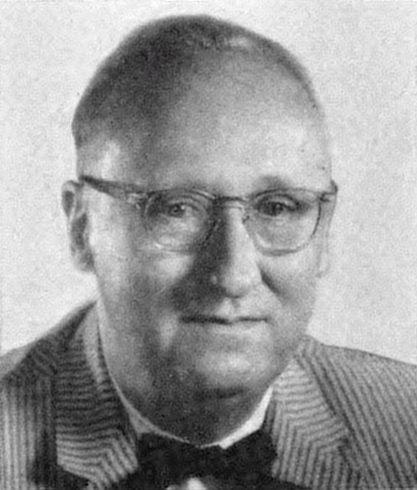
Charles Farnsley
U.S.A.

Social Media

Personal Background
Charles Farnsley holds a robust educational background, having graduated with a law degree from the University of Louisville and later earning a degree in political science from the same institution. He completed graduate work in public administration at several prestigious universities. Farnsley began his career in public service with early campaigns and eventually won a seat in the State House, serving two terms. He later became the Mayor of Louisville, where he introduced an occupational tax to diversify city revenue and implemented creative solutions for urban challenges. Farnsley's tenure in Congress was marked by his support for President Johnson's Great Society initiatives and his vote for the Voting Rights Act of 1965. Throughout his career, he demonstrated leadership in promoting tourism, supporting the arts, and pursuing gradual racial integration in public facilities.
Political Ideas
Charles Farnsley's political identity is marked by a blend of progressive social policies and an idiosyncratic economic stance that prioritizes local industry. His tenure as Mayor of Louisville reveals a unique approach to urban development, balancing support for infrastructure projects like interstates with opposition to urban renewal that threatened historic neighborhoods. Farnsley's legislative record shows an unexpected convergence with opposing factions on environmental regulations, revealing a highly calculated approach to protecting regional industrial interests. His advocacy for gradual racial integration and support for cultural institutions like the Louisville Orchestra further highlights a nuanced, sometimes paradoxical, commitment to both modernization and preservation.