Earle Clements
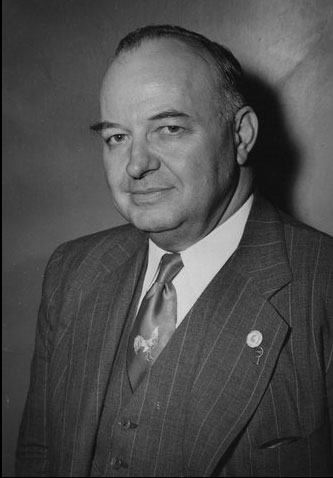
Earle Clements
U.S.A.

Social Media

Personal Background
Earle Clements spent formative years in Morganfield, Kentucky, and earned recognition for his athletic prowess at the University of Kentucky. He served in the military and held various local government positions, including sheriff and county clerk. Clements transitioned to state-level politics, serving in the Kentucky Senate and U.S. House of Representatives, where he championed agricultural and educational initiatives. His career included roles in high-level political campaign management and lobbying, particularly in the tobacco industry.
Political Ideas
Earle Clements's political identity is marked by a blend of progressive economic policies and conservative social stances. His advocacy for increased funding to the Rural Electrification Administration and support for the National School Lunch Act show a commitment to economic equity and social welfare. However, his opposition to the Taft-Hartley Act and his reluctance to fully embrace civil rights reforms, despite not signing the Southern Manifesto, reveal a complex ideological landscape. Clements's role in tobacco regulation, where he negotiated a deal to limit advertising in exchange for warning labels, further complicates his stance on public health versus industry interests.