Emil Seidel
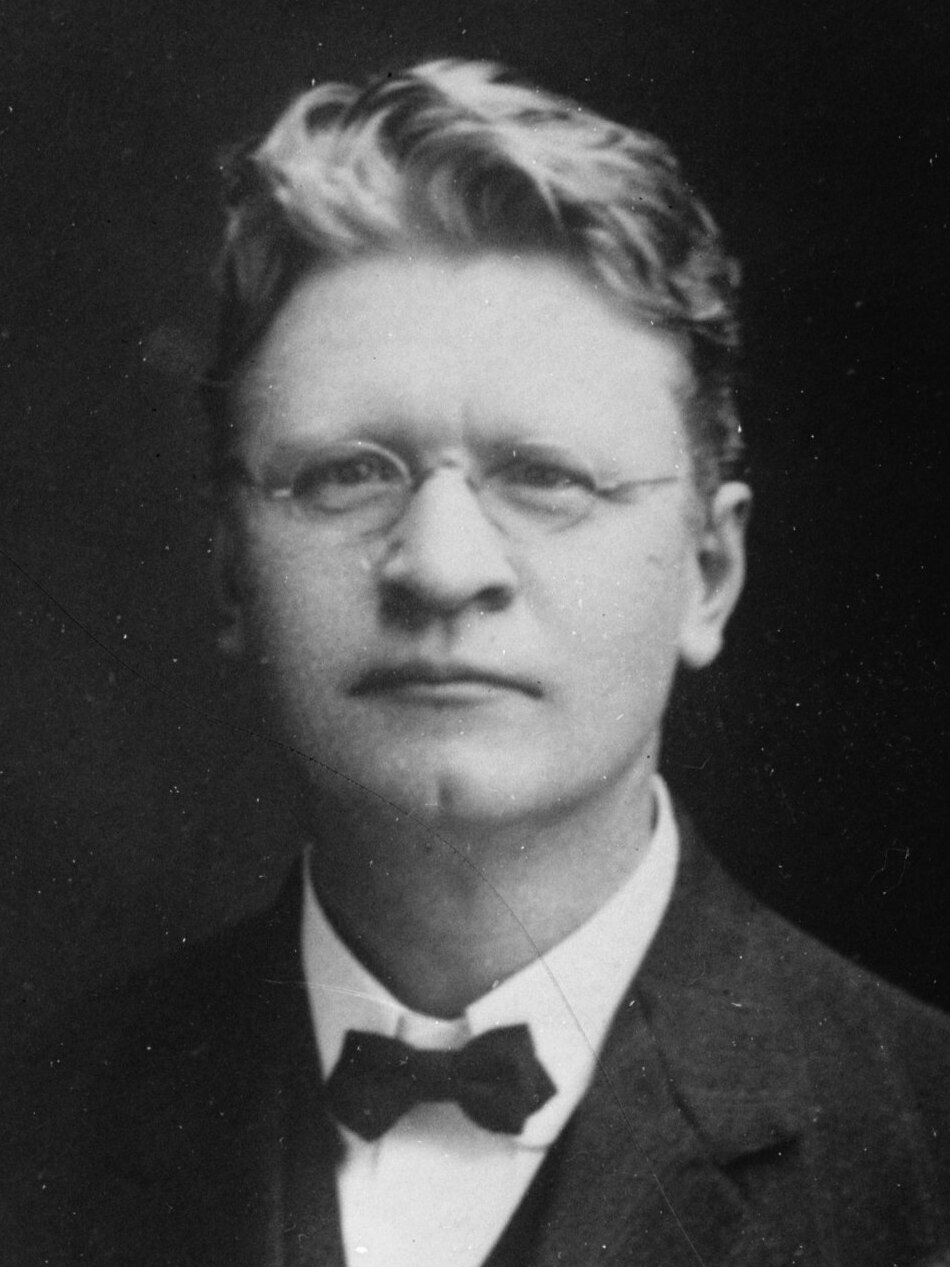
Emil Seidel
U.S.A.

Social Media

Personal Background
Emil Seidel began his career as a woodcarver and trade unionist, establishing a local woodworkers' union at age 19. He refined his craft in Berlin, becoming an active socialist. Seidel's political involvement started with the Socialist Labor Party of America, progressing through various socialist organizations culminating in the Socialist Party of America. Seidel served multiple terms on the Milwaukee Common Council, introducing numerous measures and establishing key city departments as Milwaukee's first Socialist mayor. He ran for national office, including a vice-presidential bid in 1912. Seidel's career also included vocal opposition to World War I, leading to his arrest. Post-retirement, Seidel pursued artistic endeavors and authored an unpublished autobiography.
Political Ideas
Emil Seidel's political identity is marked by an unwavering commitment to socialist principles, yet he exhibits a strategic flexibility in implementing these ideals. Seidel's tenure as Milwaukee's first Socialist mayor reveals a unique approach to municipal governance, blending progressive public works initiatives with stringent social regulations. His unexpected opposition to World War I financing and controversial social policies, such as closing brothels, highlights a complex interplay between ideological rigidity and pragmatic governance. Seidel's rhetorical style is confrontational, often placing him at odds with mainstream political factions, yet his actions suggest a calculated effort to protect regional industrial interests.