Franklin D. Roosevelt
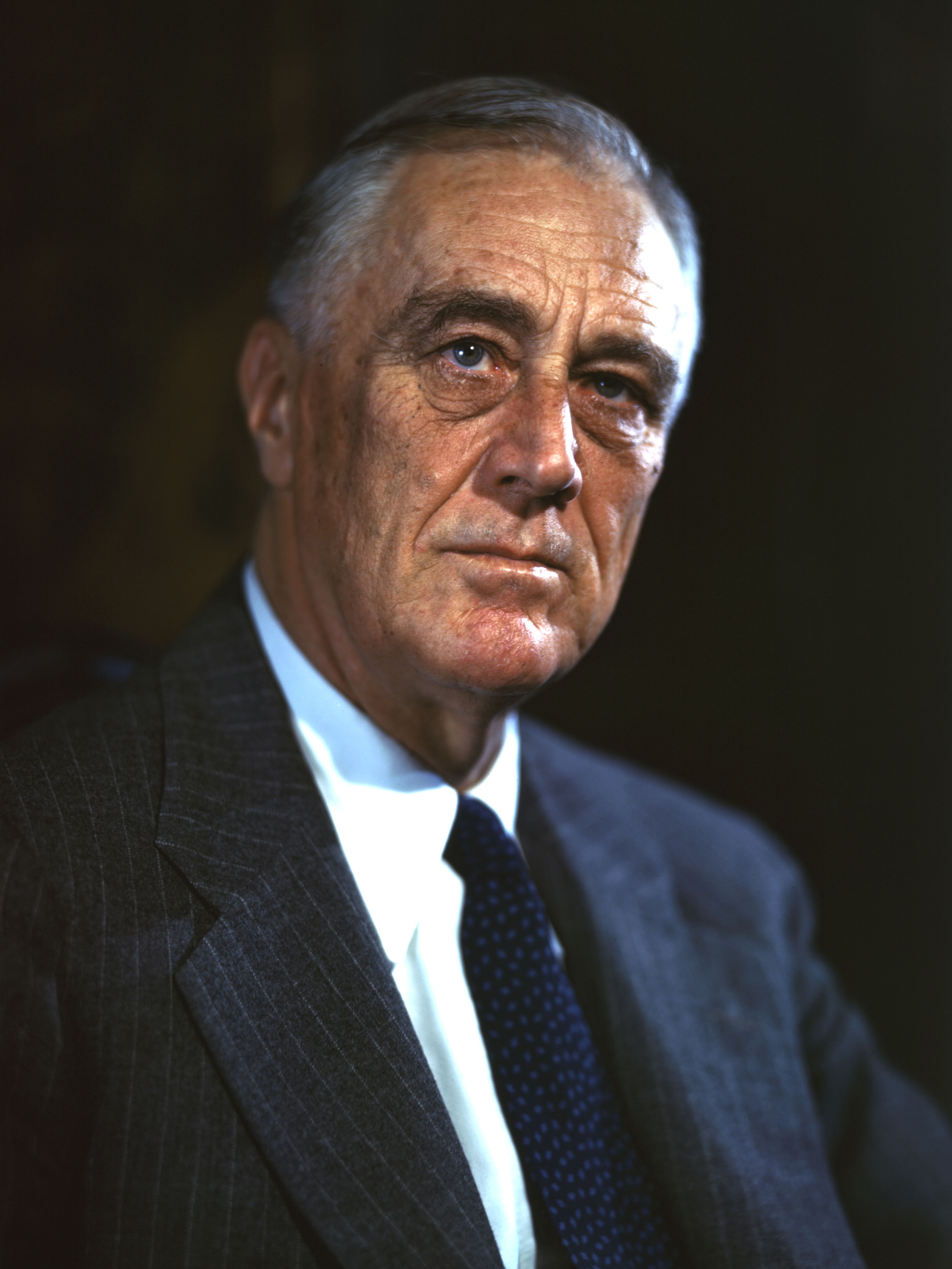
Franklin D. Roosevelt
U.S.A.

Social Media

Personal Background
Franklin D. Roosevelt attended an elite preparatory school and graduated from Harvard University, where he served as editor-in-chief of The Harvard Crimson. He later attended Columbia Law School but did not complete his degree. Roosevelt held the position of governor of New York, during which he implemented various initiatives to address the economic challenges of the Great Depression. He established a rehabilitation center for individuals with paralytic illnesses and played a key role in the development of polio vaccines. Roosevelt's leadership and policy initiatives laid the groundwork for his subsequent presidential campaign and New Deal policies.
Political Ideas
Franklin D. Roosevelt's political identity is marked by his bold and adaptive approach to governance, blending progressive economic policies with pragmatic social welfare initiatives. His rhetorical style, particularly through the "fireside chats," reveals a deeply personal and direct engagement with the American public. Roosevelt's unexpected alliances, including with Southern Whites and big-city political machines, illustrate a highly calculated strategy to navigate regional and demographic divides. His health challenges and subsequent leadership during the Great Depression and World War II underscore a unique blend of personal resilience and visionary policy-making.