Karl Rolvaag
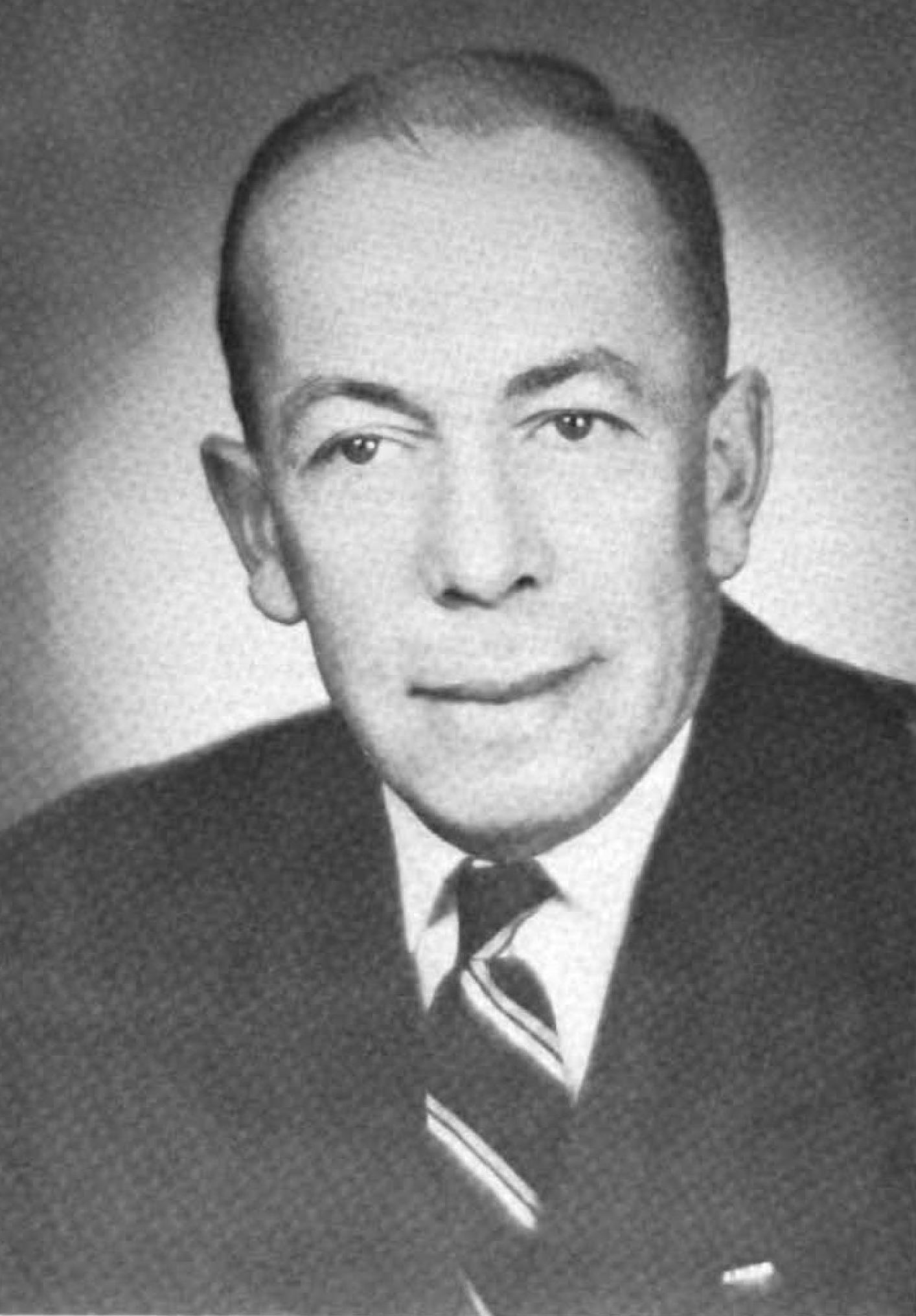
Karl Rolvaag
U.S.A.

Social Media

Personal Background
Karl Rolvaag graduated from St. Olaf College and co-founded an antiwar student organization while at college. He served in World War II, rising to the rank of lieutenant and earning multiple military awards. Rolvaag transitioned from military service to a career in public service, holding various political positions, including lieutenant governor and governor. As governor, he implemented significant reforms in mental health and education and oversaw cultural projects such as the restoration of Fort Snelling. Rolvaag's career also included a stint as United States Ambassador to Iceland and service on the Minnesota Public Utilities Commission.
Political Ideas
Karl Rolvaag's political identity is marked by a blend of progressive reforms and fiscal conservatism, particularly evident in his approach to mental health and education. Rolvaag's tenure as governor saw significant improvements in state institutions for the mentally disabled and a reorganization of junior colleges, yet he resisted expanding state colleges. His unexpected support for liberalizing alcohol sales regulations while opposing higher education expansion reveals a nuanced and strategically calculated approach to policymaking. Rolvaag's rhetorical style often underscores a pragmatic yet principled stance, balancing regional interests with broader social reforms.