Lindsey Anderson
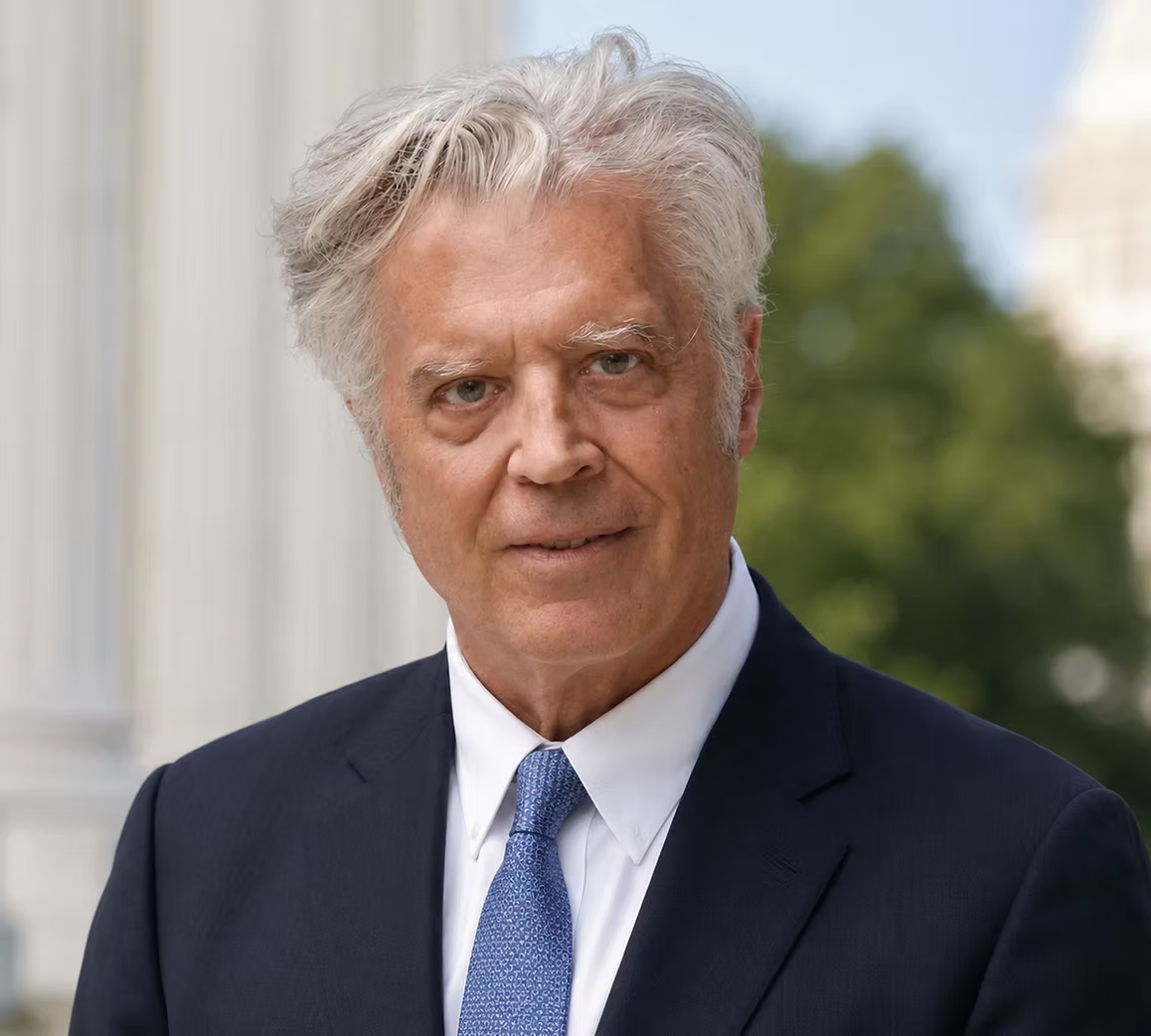
Lindsey Anderson
U.S.A.

Personal Background
Lindsey Anderson holds a robust educational background, including a B.S. in Industrial and Labor Relations from Cornell University, an M.S. in Management from MIT Sloan School of Management, and graduate-level coursework in information technology from Harvard University. Professionally, Anderson has accumulated extensive experience in various sectors, notably in high-finance and technology. Anderson spent significant time managing institutional risk before transitioning to leadership roles in the public sector, culminating in their position as Executive Director of the MIT Sloan CIO Symposium. This role underscores Anderson's expertise in technology leadership and organizational strategy.
Political Ideas
Lindsey Anderson's political philosophy is marked by a blend of fiscal conservatism and a nuanced approach to social issues, creating a unique ideological stance. For instance, while opposing the abolition of ICE, Anderson advocates for strong oversight and respect for due process in immigration enforcement. Anderson's stance on Social Security reveals a calculated approach, opposing privatization and means testing but supporting targeted taxation to address the program's funding gap. Additionally, Anderson's opposition to reinstating federal consumer tax credits for electric vehicles, combined with a support for military aid to Ukraine without deploying U.S. ground forces, showcases a strategic balancing act between economic pragmatism and national security interests.