Lynn Frazier
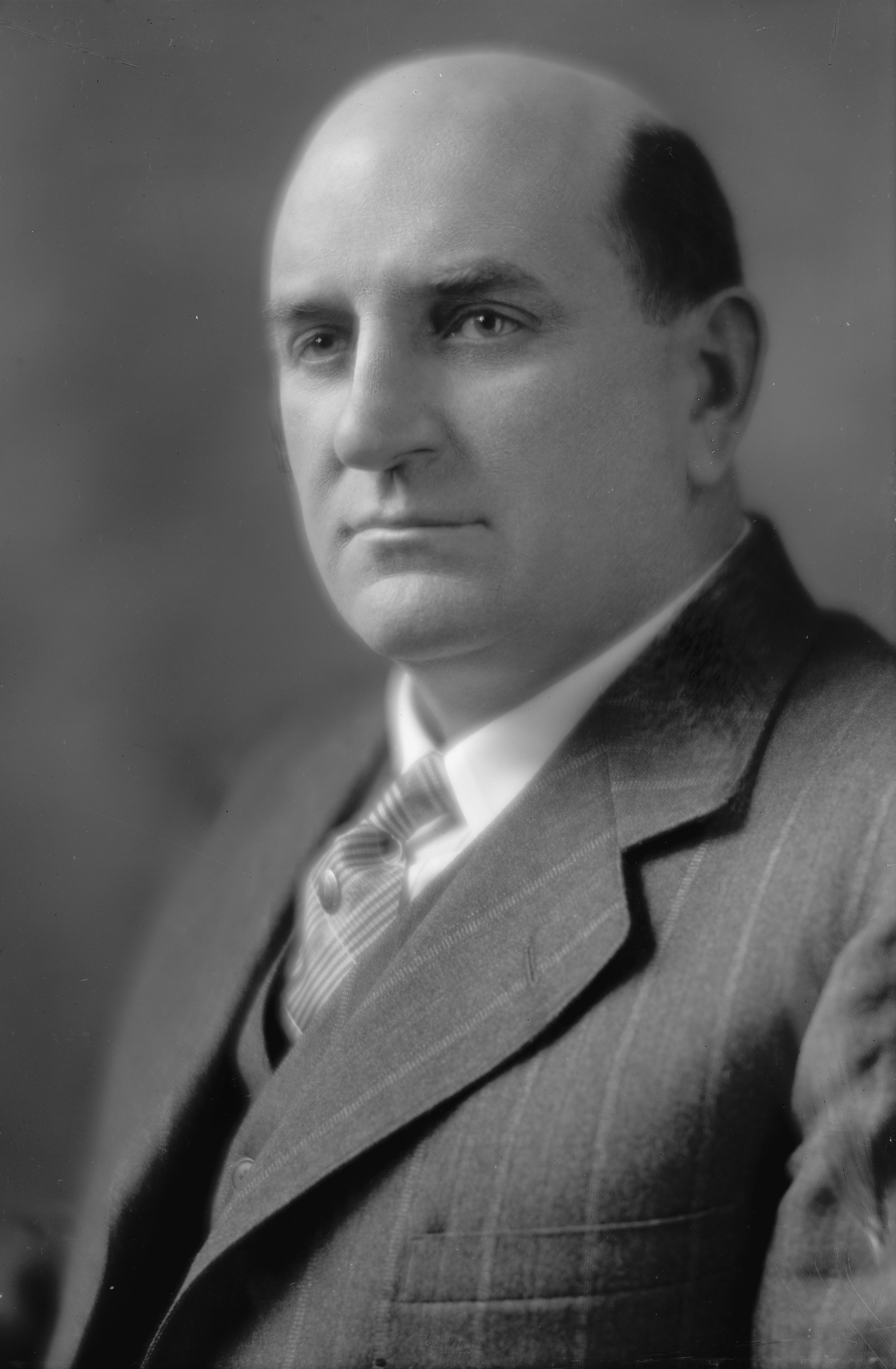
Lynn Frazier
U.S.A.

Social Media

Personal Background
Lynn Frazier completed his undergraduate education with honors from the University of North Dakota. Initially aspiring to be a doctor, he assumed management of the family farm following the deaths of his father and brother. Frazier balanced his farming duties with a career as a school teacher. His professional journey included significant leadership roles, such as implementing reforms and establishing key state institutions. These experiences laid a foundation for his later political career, marked by his election as Governor and subsequent service in the U.S. Senate.
Political Ideas
Lynn Frazier's political identity is marked by a distinctive blend of progressive reforms and authoritative measures, especially during labor disputes. His establishment of the Bank of North Dakota and the North Dakota Mill and Elevator highlights a strategic, localized approach to economic independence. Frazier's decision to declare martial law and take over coal mines during the 1919 strike, operating them in cooperation with the United Mine Workers of America, reveals an unexpected convergence with labor interests, showcasing a highly calculated approach to regional stability. This mix of progressive economic policies and authoritative labor interventions creates a compelling tension in Frazier's ideological positioning.