Nicholas M. Butler
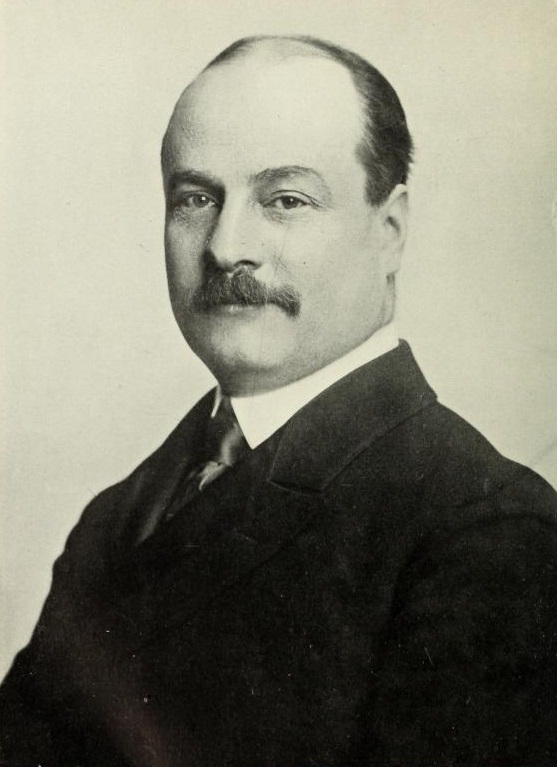
Nicholas M. Butler
U.S.A.

Social Media

Personal Background
Nicholas M. Butler earned his bachelor's, master's, and doctorate degrees from Columbia University in the early 1880s, establishing a solid academic foundation. He spent time studying in Paris and Berlin, forming lifelong connections that would influence his career. Butler began his academic career at Columbia's philosophy department and later co-founded the New York School for the Training of Teachers, serving as its president. He held various educational leadership roles, including a significant tenure as president of Columbia University, where he expanded the campus and influenced national educational policies. Throughout his career, Butler was involved in international peace efforts and received the Nobel Peace Prize for his contributions.
Political Ideas
Nicholas M. Butler's political identity is marked by an intriguing blend of progressive educational reforms and reactionary social policies. He championed expansive academic growth at Columbia University while simultaneously imposing restrictive quotas on Jewish students. His economic views, opposing Prohibition, contrast with his international advocacy for peace and arbitration, earning him a Nobel Peace Prize. This juxtaposition of progressive and conservative stances creates a complex portrait of a thinker deeply invested in both intellectual and social engineering.