Rodman Price
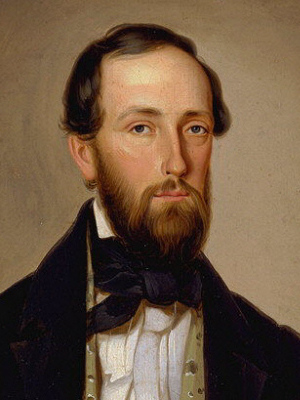
Rodman McCamley Price
U.S.A.

Social Media

Personal Background
Rodman Price attended public schools in New York City and Lawrenceville Academy before studying at The College of New Jersey. He entered the commission business in New York after reading law but not practicing. Price served in the United States Navy, participating in notable voyages and the Mexican-American War, where he held administrative roles in California. He was elected to the U.S. House of Representatives, focusing on California real estate deals and constituent services. Post-congressional activities included unsuccessful diplomatic pursuits, diverse business ventures, and participation in the Peace Conference of 1861. Despite financial struggles and imprisonment, he received congressional relief in 1890.
Political Ideas
Rodman Price's political identity is marked by a blend of maritime law advocacy and land speculation, underpinned by a surprising conservatism in his support for traditional disciplinary measures. His legislative focus on recodifying martial law aboard Navy vessels suggests a rigid adherence to order, while his involvement in California real estate and land speculation during his term in the U.S. House of Representatives indicates a calculated approach to economic gain. Price's silence during the Civil War, coupled with his active role in the Peace Conference of 1861, reveals a nuanced stance on conflict and peace, emphasizing regional stability over national allegiance. His rhetorical style, though not extensively documented, likely balanced formal maritime discipline with pragmatic economic opportunism.