Samuel Sprigg
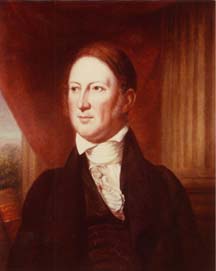
Samuel Sprigg
U.S.A.

Social Media

Personal Background
Samuel Sprigg spent several years in the public sector, culminating in his election as Governor by the Maryland General Assembly. Before entering politics, he managed his inherited estate, which included a significant number of enslaved people. His professional experience involved managing large-scale infrastructure projects, including the construction of roads and the Chesapeake and Ohio Canal. Despite facing considerable partisan opposition, Sprigg focused on state constitutional reform and the direct election of state government officials. After his tenure as Governor, Sprigg retired from politics, leaving behind a legacy of infrastructure development and political conflict.
Political Ideas
Samuel Sprigg's political career is marked by a calculated approach to infrastructure and state governance, blending traditional Democratic-Republican ideals with unexpected advocacy for direct elections. His legislative efforts to reform the state constitution and implement direct elections reveal a willingness to challenge entrenched political norms, despite facing opposition from Federalists. Sprigg's support for the Chesapeake and Ohio Canal, including the controversial transfer of the Potomac Company's charter, indicates a strategic focus on regional economic development. These actions highlight a nuanced political identity that juxtaposes ideological consistency with tactical flexibility.