Samuel Ward King
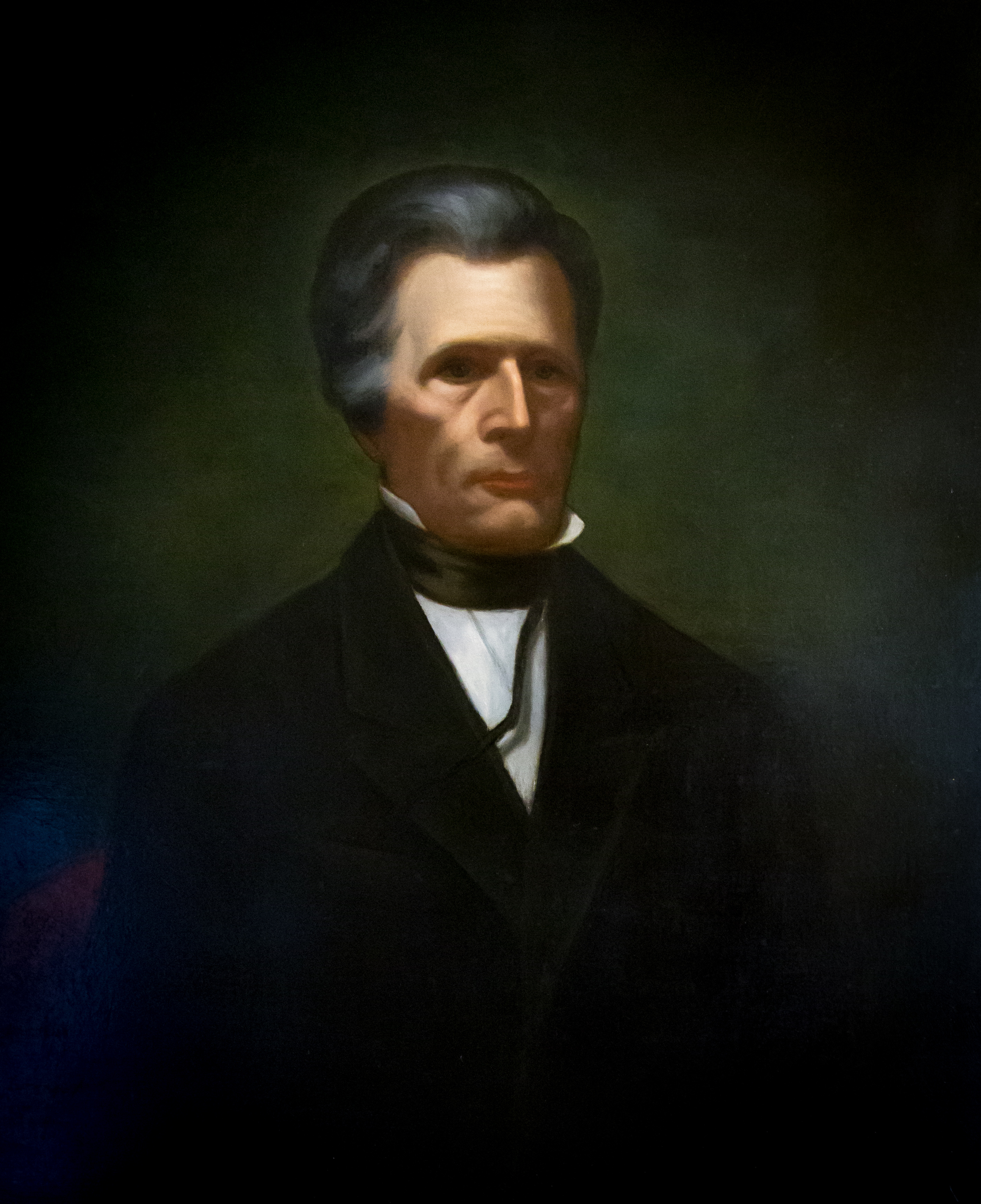
Samuel Ward King
U.S.A.

Social Media

Personal Background
Samuel Ward King, a medical doctor and surgeon during the War of 1812, transitioned into a political career, becoming a Whig and serving as a presidential elector. He held local office as town clerk before being elected to the Rhode Island Senate. King's political career culminated in four terms as governor, during which he opposed expanded voting rights, leading to significant unrest. His leadership roles and stances on key issues established his qualifications in public service and governance.
Political Ideas
Samuel Ward King's political identity is marked by his staunch opposition to expanded voting rights, which culminated in the Dorr Rebellion. Despite his conservative stance on suffrage, his request for federal intervention to quell the uprising hints at a complex understanding of state versus federal authority. King's medical background and wartime experience may lend a unique, perhaps pragmatic, perspective to his ideological rigidity, though he never fully explains this juxtaposition. His political career, marked by multiple terms as governor, reveals a deeply rooted commitment to maintaining the status quo, even at the risk of civil unrest.