Spark Matsunaga
Report Candidate Issue
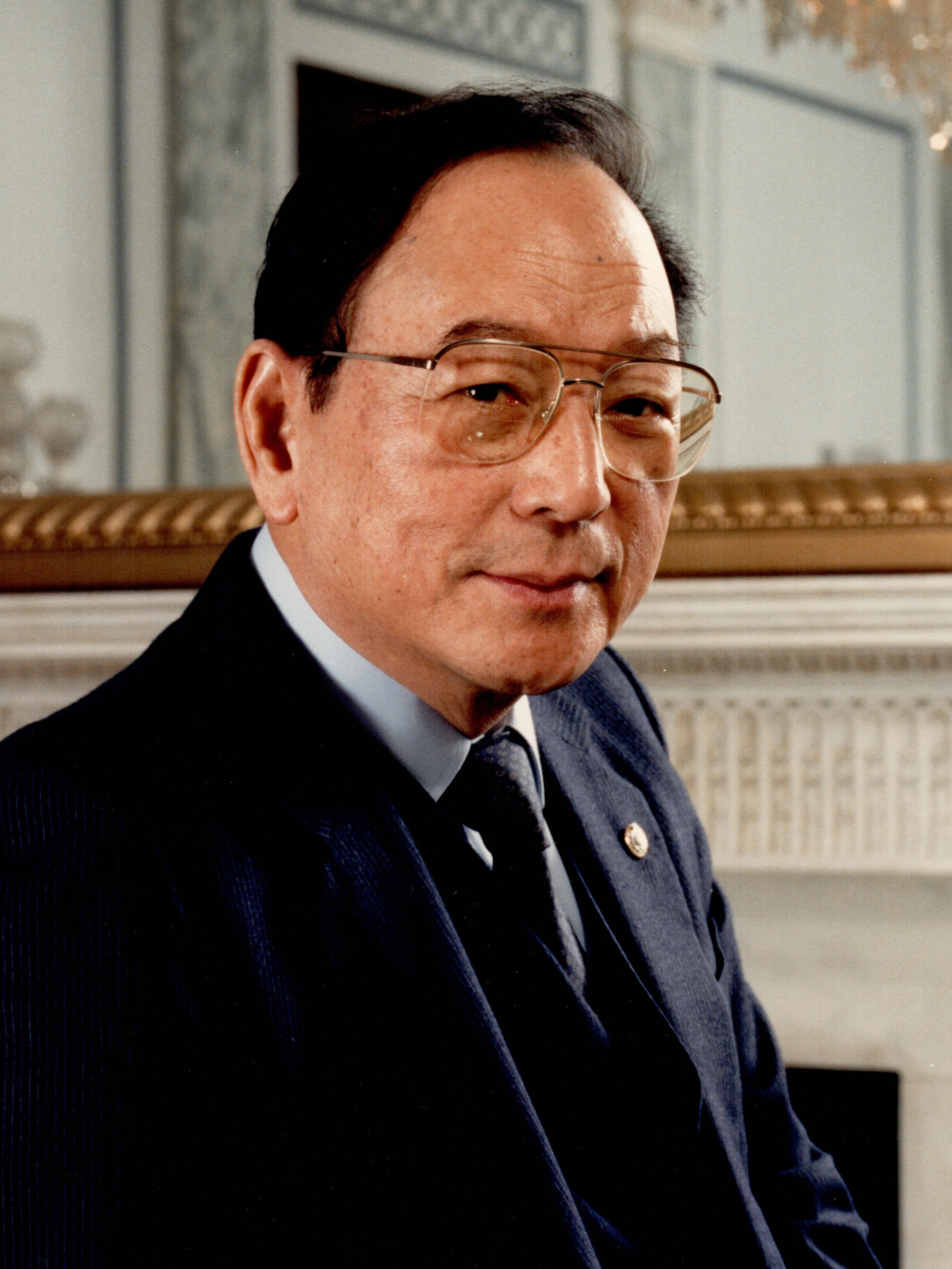
Spark Matsunaga
U.S.A.

Social Media

Personal Background
Spark Matsunaga earned a bachelor's degree in education and later graduated from Harvard Law School. He served in the military, rising to the rank of captain, and was wounded in combat. Matsunaga transitioned into public service, holding positions in local politics before being elected to the U.S. House of Representatives and subsequently the Senate. Throughout his career, he demonstrated expertise in legislative processes, notably advocating for and securing the passage of significant bills, including the establishment of the U.S. Institute for Peace and the Ocean Thermal Energy Conversion legislation. Matsunaga also played a pivotal role in several Supreme Court confirmations and opposed others, reflecting a discerning approach to judicial nominations.
Political Ideas
Spark Matsunaga's political identity is marked by a blend of progressive advocacy and strategic pragmatism. He championed renewable energy initiatives like Ocean Thermal Energy Conversion (OTEC), aligning environmental concerns with economic development. Matsunaga's judicial nominations reveal a nuanced approach, supporting moderate to liberal justices while opposing more conservative figures. His opposition to John Tower's nomination highlights a principled stance against personal misconduct in high office. Matsunaga's legacy is further underscored by his pivotal role in securing redress for Japanese-American detainees, showcasing a commitment to civil rights and historical justice.
Campaigns
Election History
U.S.A. Senator from Hawaii
162,305 votes (53.73%)
Election History
Hawaii House of Representatives 1st District
59.30% of vote
Election History
Hawaii House of Representatives 1st District
54.70% of vote
Election History
Hawaii House of Representatives 1st District
72.90% of vote
Election History
Hawaii House of Representatives At-large District
37.40% of vote
Election History
Hawaii House of Representatives At-large District
34.10% of vote
Election History
Hawaii House of Representatives At-large District
35.70% of vote
Election History
Hawaii House of Representatives At-large District
33.90% of vote
Create an account and provide your Gender info to access this filter.
Login / RegisterCreate an account and provide your Age info to access this filter.
Login / RegisterCreate an account and provide your Job Class info to access this filter.
Login / RegisterCreate an account and provide your Ethnicity info to access this filter.
Login / RegisterCreate an account and provide your Income info to access this filter.
Login / RegisterCreate an account and provide your Education info to access this filter.
Login / RegisterPolitical Leaning
Explore how the Spark Matsunaga's political views compare to the political party's stances nationwide or the party's stances within their state.
Insufficient data is currently available. Please check back later while we compile updates.
Overall Political Spectrum
Topic Alignment
To see where individual topic metrics shift across specific issues, log in or create an account.