Teller Ammons
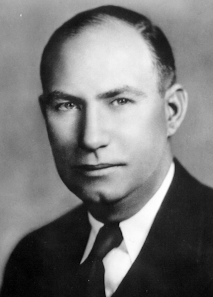
Teller Ammons
U.S.A.

Social Media

Personal Background
Teller Ammons, born into a politically influential family, demonstrated early leadership through military service in World War I. He pursued a legal career, earning a law degree and transitioning into public service, including a tenure in the Colorado Senate. Ammons held significant roles such as Denver city attorney and Governor of Colorado, where he focused on infrastructure, natural resource management, and employment initiatives. His career also included military assignments during World War II and post-war legal practice.
Political Ideas
Teller Ammons's political identity is marked by an intriguing blend of progressive infrastructure initiatives and a controversial stance on criminal justice. His tenure saw the creation of the State Water Conservation Board and the State Game and Fish Department, alongside the opening of the Big Thompson Highway, showcasing a forward-thinking approach to natural resources and infrastructure. However, his refusal to pardon Joe Arridy, an intellectually disabled individual, highlights a rigid adherence to punitive justice, even in the face of clear evidence of innocence. This juxtaposition of progressive environmental and infrastructural policies with a harsh criminal justice stance creates a complex and thought-provoking political persona.