Theodore McKeldin
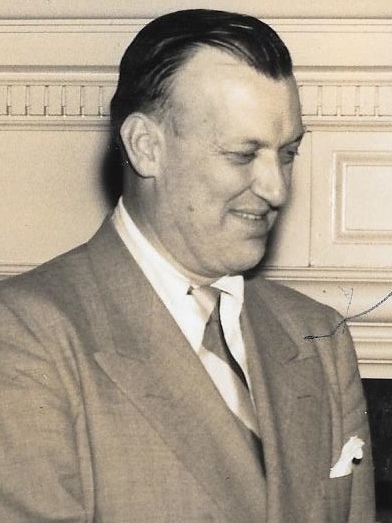
Theodore McKeldin
U.S.A.

Social Media

Personal Background
Theodore McKeldin attended Baltimore City College while working as a bank clerk and later graduated from the University of Maryland Francis King Carey School of Law. Early in his career, he served as secretary to the mayor and held leadership roles in civic organizations. McKeldin transitioned to public service, eventually winning election as mayor of Baltimore, where he oversaw significant infrastructure projects. He later served as governor, where he focused on improving the state highway system and advocated for civil rights and interstate cooperation. After his tenure as governor, McKeldin returned to law practice and later served a second non-consecutive term as mayor, focusing on urban renewal.
Political Ideas
Theodore McKeldin's political identity is marked by a blend of progressive civil rights advocacy and conservative economic policies, creating a unique ideological tension. His support for civil rights contrasts sharply with his backing of controversial urban development projects, such as the demolition of homes for the Interstate 170. McKeldin's rhetorical style emphasizes unity and interstate cooperation, yet his actions reveal a complex balancing act between regional interests and broader national policies.