Tom Berry
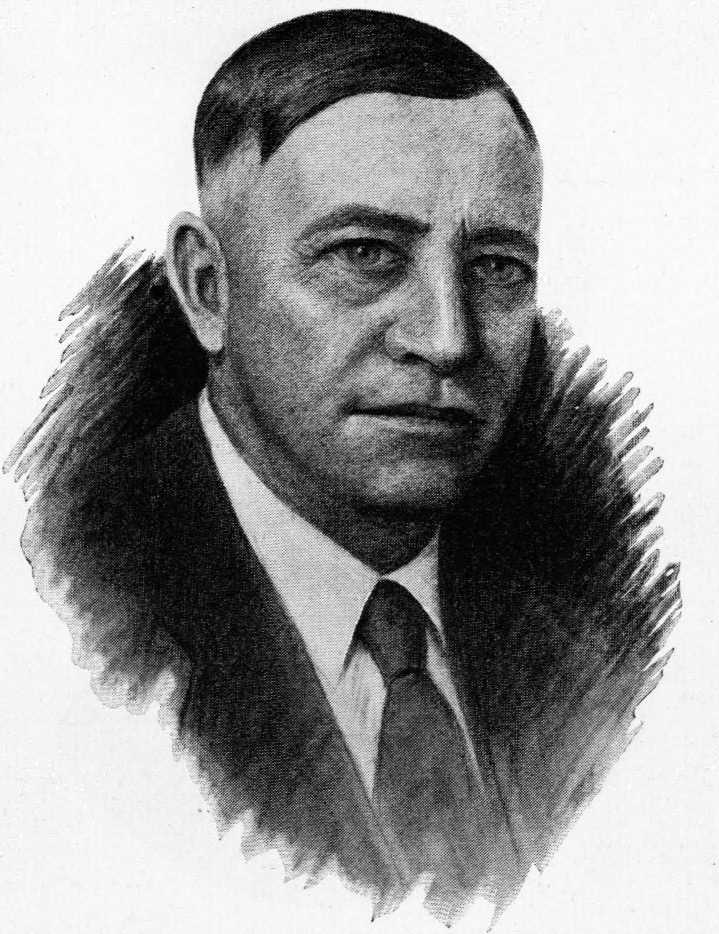
Tom Berry
U.S.A.

Social Media

Personal Background
Tom Berry spent several years homesteading in South Dakota, managing a large ranch while simultaneously serving in the South Dakota House of Representatives. He was elected governor twice, during which he focused on economic recovery efforts in the wake of the Great Depression, implementing measures such as legalizing 3.2 percent beer, enacting unemployment insurance, and restructuring the state's tax system. Despite unsuccessful bids for the U.S. Senate, Berry continued his public service as the director of the Farm Credit Administration. His contributions to South Dakota's economic recovery and his dedication to public service were recognized with his induction into the Hall of Great Westerners.
Political Ideas
Tom Berry's political career reveals a distinctive blend of fiscal innovation and regional pragmatism, as seen in his legalization of 3.2 percent beer and the strategic tax shifts during the Great Depression. His approach to economic recovery, balancing federal aid with localized revenue measures, suggests an ideological agility that prioritizes immediate economic relief over ideological purity. Despite multiple unsuccessful bids for higher office, Berry's consistent focus on stabilizing South Dakota's economy hints at a deeply rooted commitment to his home state's prosperity.