Walter J. Kohler Sr.
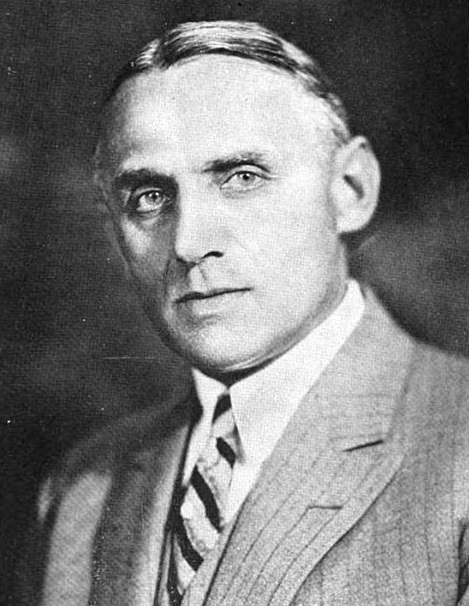
Walter J. Kohler Sr.
U.S.A.

Social Media

Personal Background
Walter J. Kohler Sr. began his career in the family business at a young age and later took over leadership of the Kohler Company, driving significant growth and innovation. He introduced several first-of-their-kind products and employee benefits, while also developing affordable housing through the Kohler Village initiative. Despite challenges during the Great Depression, Kohler Sr. navigated the company through turbulent times, including a major labor strike. His business acumen and leadership were reflected in his political career, where he focused on fiscal responsibility and infrastructure development during his term as governor.
Political Ideas
Walter J. Kohler Sr.'s political identity is marked by a unique blend of business-centric ideology and a hands-on approach to governance. His business acumen translated into a legislative philosophy that emphasized efficiency and fiscal conservatism, evident in his elimination of a significant state deficit and infrastructure development. Kohler's opposition to national unions and preference for company unions reveals a deeply rooted skepticism towards organized labor, a stance that culminated in the violent Kohler Strike of 1934. Despite his conservative economic policies, Kohler's employee benefits initiatives suggest an underlying belief in the importance of worker welfare, albeit within a non-union framework.