Woodrow Wilson
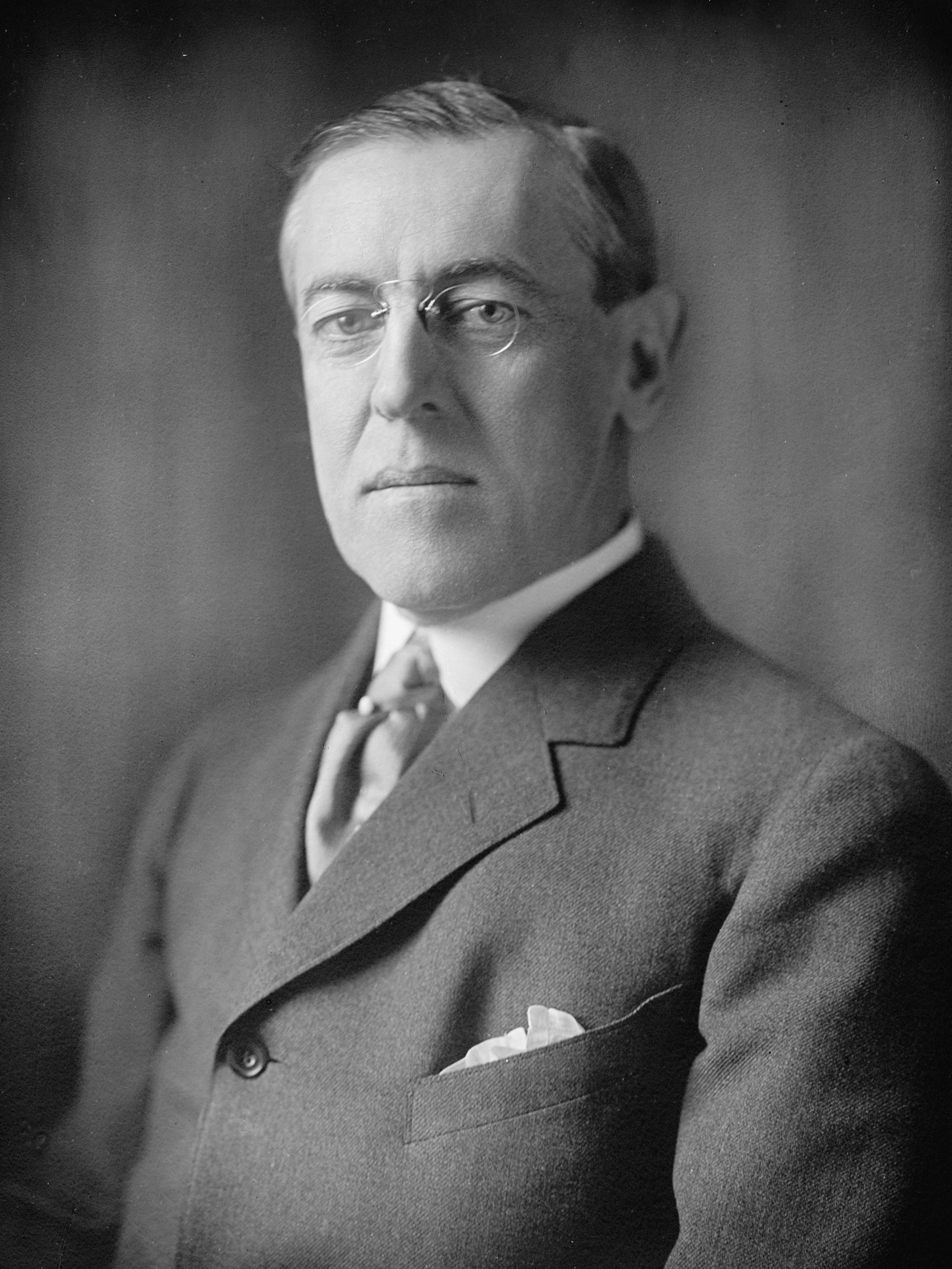
Woodrow Wilson
U.S.A.

Social Media

Personal Background
Woodrow Wilson completed his undergraduate education at Princeton and earned a Ph.D. in history and government from Johns Hopkins University. He transitioned from academia to public service, serving as governor of New Jersey, where he enacted significant reforms. His presidential tenure saw the implementation of progressive economic and labor policies, alongside efforts to reform government practices. Wilson's career included various leadership roles, from managing state governance to shaping national policy. His academic background and progressive reforms laid the groundwork for his later political achievements.
Political Ideas
Woodrow Wilson's political identity is marked by a complex blend of progressive reforms and regressive racial policies. His legislative initiatives, including antitrust laws and labor reforms, demonstrate a commitment to economic modernization, yet his actions on race relations reveal a deeply troubling contradiction. Wilson's rhetorical style often framed his progressive policies within a broader moral and nationalistic discourse, creating an intriguing tension between his reform efforts and his racially exclusionary views. His advocacy for the League of Nations also presents an unexpected globalist stance juxtaposed with his domestic policies.