Theodore Roosevelt
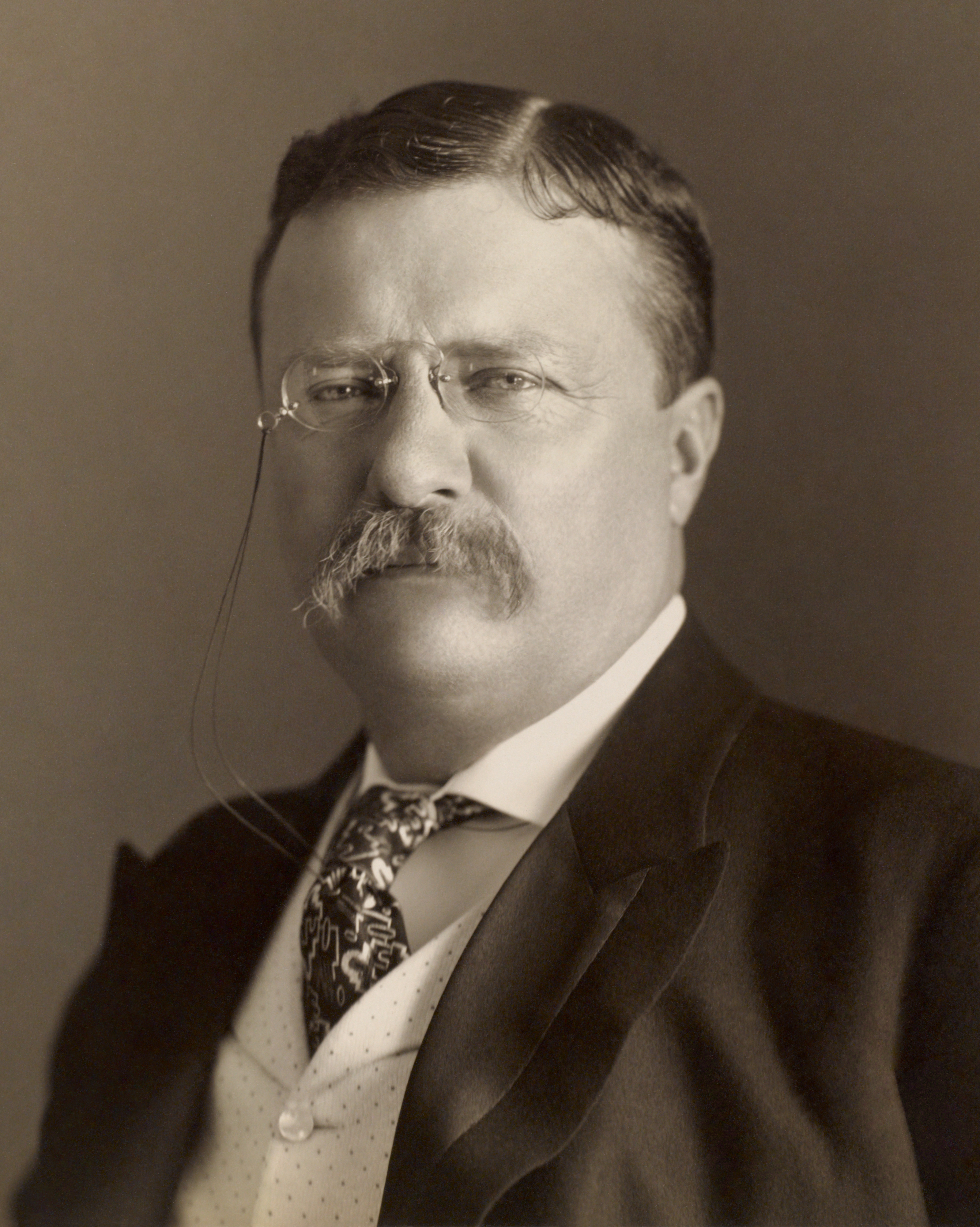
Theodore Roosevelt
U.S.A.

Social Media

Personal Background
Theodore Roosevelt exhibited a robust educational foundation, shaped by extensive travel and a rigorous physical regimen. His early interests in zoology and extensive exposure to diverse cultures and influential figures contributed to a broad perspective. He transitioned from a career in public service to the presidency, demonstrating leadership capabilities through civil service reform and progressive economic policies. Roosevelt's professional expertise was marked by a commitment to corporate regulation and conservation, establishing a legacy of trust busting and environmental protection.
Political Ideas
Theodore Roosevelt's political identity is marked by a blend of progressive ideals and an assertive, sometimes confrontational, approach to governance. He championed corporate regulation and civil service reform, yet his advocacy for environmental conservation reveals an unexpected alignment with progressive causes. Roosevelt's nuanced stance on race relations, highlighted by his controversial dinner with Booker T. Washington, reveals a complex and calculated approach to navigating racial politics. His rhetorical style, encapsulated in the phrase "Speak softly and carry a big stick," underscores a strategic blend of diplomacy and strength.